

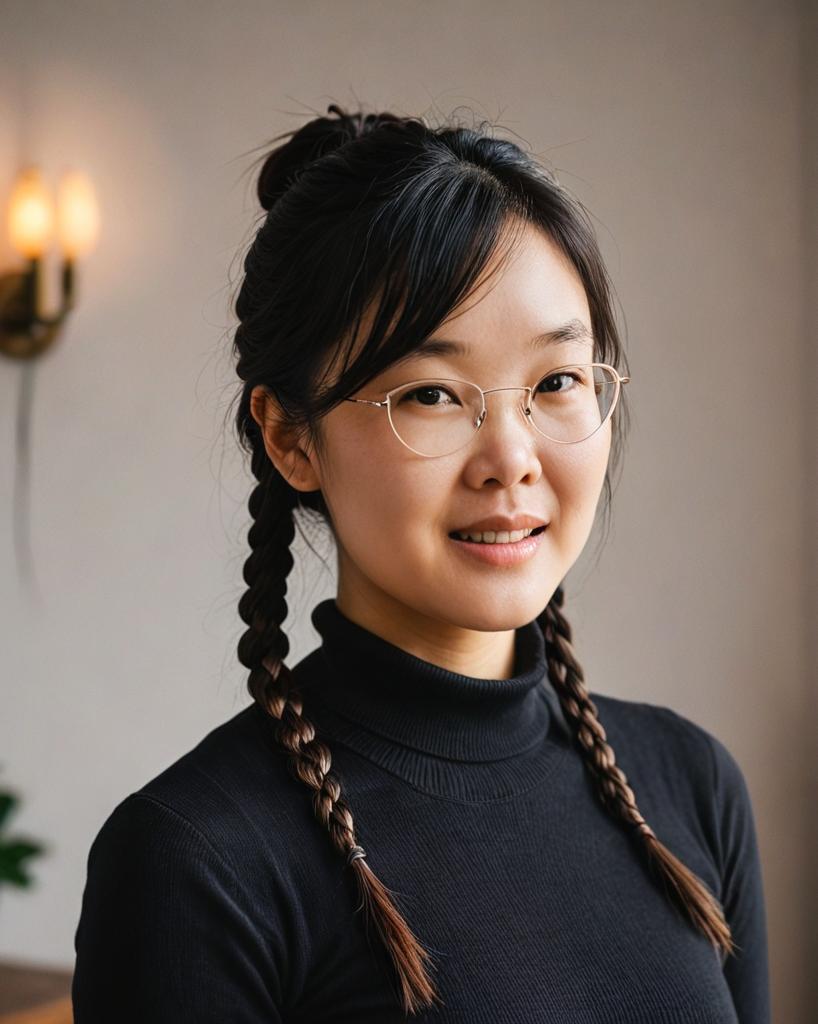

The return of a familiar name to the AI arena rarely makes waves. But when that name is Lilian Weng, a researcher with deep roots in the very foundation of modern AI, her career move becomes a telling signal. Weng, who this week stepped down as cofounder of the buzzy startup Thinking Machines Lab, is rejoining OpenAI. She isn’t coming back for just any role. A company spokesperson confirmed to Business Insider that Weng will lead a team dedicated to accelerating internal research, with a sharp focus on one of the field’s most ambitious and debated goals: recursive self-improvement. This is the idea of AI that can build better AI, a potential accelerator that sits at the heart of OpenAI’s long-term strategy.
For Weng, the move caps a period of intense personal and professional reckoning. Announcing her departure from Thinking Machines, she cited the grueling pace of startup life. “I don’t feel I’m able to continue at the pace a startup requires,” she wrote. “It has been an extremely hard decision, as I hate myself to let down people at Thinky but at the same time I’m constantly worried about my health.” Her candid post highlighted a tension many in the AI sprint feel but seldom voice publicly—the trade-off between groundbreaking work and sustainable well-being. Weng noted she still loves the work, especially reading papers on frontier progress, but needed a “scoped role in a more predictable place.”
That place, it turns out, is her old stomping grounds. Weng’s history with OpenAI is substantial. She joined in 2018, after stints at Facebook and Dropbox, and stayed until late 2024. During that first tenure, her fingerprints were on critical projects. She helped build the Applied AI Research team and later led Safety Systems work. More concretely, she contributed to the development of GPT-4, working on pretraining data, model safety, evaluations, and deployment. This blend of hands-on model building and safety-focused systems thinking is a rare and valuable combo. The OpenAI spokesperson praised precisely this mix of “research experience, technical know-how, and skill in building teams.”
Her return, however, is about the future, not the past. The team she will lead is tasked with supporting OpenAI’s push toward recursive self-improvement. Sometimes called “AI that can improve itself,” the concept is a cornerstone of the path to Artificial General Intelligence (AGI). The vision is a system capable of not just learning from data, but of designing, training, and refining its own successors, theoretically leading to exponential leaps in capability. It’s a high-stakes endeavor, fraught with technical complexity and profound safety implications. Placing a leader with Weng’s dual expertise in capability and safety at the helm of this effort is a strategic statement. It suggests an attempt to bake rigorous oversight into the very engine of acceleration.
Weng’s departure is also a revealing moment for Thinking Machines Lab. The startup, led by former OpenAI CTO Mira Murati, has seen significant talent churn. A Business Insider report in May noted that nearly a third of its original founding members had left. Of the six cofounders, only Murati and chief scientist John Schulman remain. Barret Zoph and Luke Metz left for OpenAI, while Andrew Tulloch went to Meta. This pattern of migration between OpenAI and its offspring isn’t new, but its persistence underscores the immense gravitational pull of the larger company’s resources, research scale, and now, perhaps, its pursuit of the field’s most fundamental problems. Murati’s gracious response on X—“We’ll miss you… I’m glad that you’re putting your health first.”—speaks to the personal realities behind these high-profile shifts.
So, what does Lilian Weng’s homecoming truly signify? On one level, it’s a pragmatic career shift, a search for sustainable impact. On another, it’s a strategic consolidation. OpenAI is marshaling proven talent to tackle its most audacious roadmap item. In bringing back someone who understands both how to make models more powerful and how to make them safer, the company is attempting to align the breakneck speed of recursive improvement with necessary guardrails. For the rest of us watching, it’s a reminder that the race for advanced AI is as much about the resilience of the people building it as it is about the code they write. The journey to machines that think is, inevitably, a human story too.
- Weng’s history with OpenAI
- Recursive self-improvement goals
- Talent migration patterns
- Importance of health and well-being
- Responsibilities at Thinking Machines Lab
- Impact of her return on OpenAI strategies
| Co-founder Name | Status | Current Position |
|---|---|---|
| Lilian Weng | Departed | OpenAI Leader |
| Mira Murati | Active | CEO, Thinking Machines Lab |
| John Schulman | Active | Chief Scientist |
| Barret Zoph | Departed | OpenAI |
| Luke Metz | Departed | OpenAI |
| Andrew Tulloch | Departed | Meta |


