

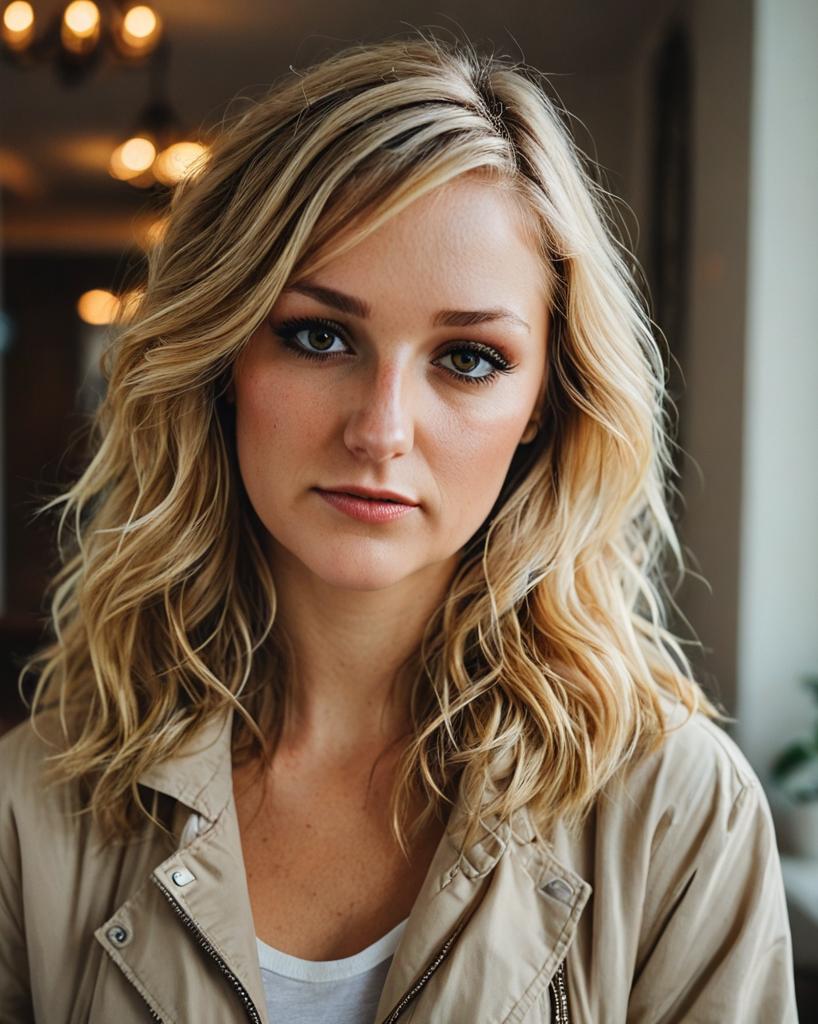

I hit pause on the video, my own takeout container cooling on the coffee table. The scene was so simple, so quiet. A woman alone in her apartment on a Friday night. But the caption called it a life with “no friends.” My immediate reaction was a quiet pang of sympathy. Then, I watched more. This wasn’t a tragedy. It was a choice. Lana Isa, in Toronto, films her solo routines for millions. She finds peace in her own company. She is part of a new wave often called “loneliness influencers.” But that label misses the point entirely.
These creators, many women, are reshaping solitude. They show solo dates and quiet evenings at home. They are not promoting sadness. They are showcasing independence. For some, this life came after big changes. A move, a breakup, a personal rediscovery. Sharing this online has built unexpected communities. Comments fill with people saying, “I feel seen.” It validates a choice away from constant social noise. It challenges the idea that being alone means being lonely.
I get it. In a city like LA, solitude can feel radical. Our feeds are flooded with parties and group photos. There is pressure to be constantly connected. This content offers a quiet counterbalance. It says your peace is valid. Your own company can be enough. It is not about shunning connection forever. It is about defining it on your own terms. For some, that means relearning how to be with themselves first.
Of course, experts remind us we are social creatures. Professor Melody Ding studies this. She notes we need positive relationships. Chronic isolation can harm our health. The goal is not permanent isolation. The hope is to remove the stigma. Choosing solitude is different from being forced into loneliness. These influencers show the agency in that choice. They make a quiet life look intentional, not tragic.
The backlash calls it “cosy defeatism.” Critics say it romanticizes being alone. But for the creators, it is about authenticity. Devon Noehring in Phoenix shares her solo weekends. She has friends but loves her alone time. She says being alone is where she feels most free. She celebrates her independence. This content resonates because it feels real. It is a break from highly curated perfection. People are craving that relatable truth.
In Hungary, this trend is also growing. By 2025, “magány influencer” is a search term. People are looking for this niche content. They seek others who prioritize peace. They want to see a life that mirrors their own. It fills a social need in a digital way. It builds a community around quiet independence. The connection happens in comments and shared understanding. It is a virtual nod between people who value their own space.
The ultimate message is about finding your own path. There is no one-size-fits-all for happiness. Social media often pushes a single idea of fun. This movement broadens that picture. It makes room for the quiet, the still, the solo. It empowers people to design a life that truly nourishes them. Whether that includes a bustling friend group or a cherished solo evening. So, the next time you see a video of someone enjoying their own company, pause. Ask yourself, does that peace look like loneliness? Or does it look like a different kind of fulfillment?
- Choosing solitude can reshape one’s perspective.
- Influencers showcase independence and authenticity.
- Communities arise around shared experiences of solitude.
- Content creates a valid space for personal peace.
- Social media can push for constant connection.
- Finding fulfillment can come from individual choice.
| Concept | Description |
|---|---|
| Loneliness Influencers | Creators who embrace solitude, showcasing it positively. |
| Community | Supportive networks formed around shared experiences of independence. |
| Authenticity | Presenting genuine moments of solitude without glamorization. |
| Choice | Recognizing solitude as a valid and fulfilling lifestyle. |
| Social Media | The platform for showcasing and sharing solo experiences. |
| Agency | The power to define one’s social needs on personal terms. |


